


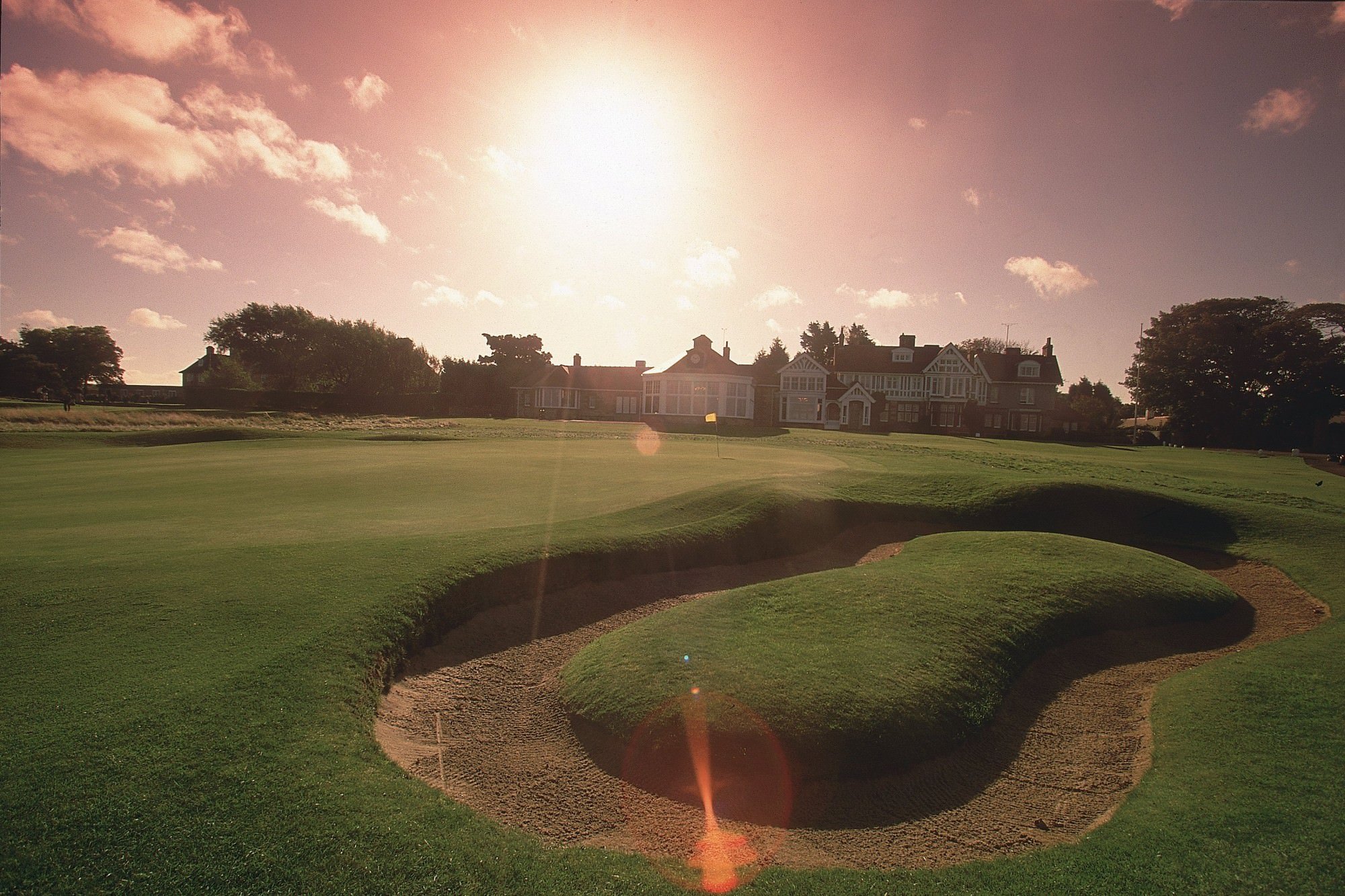
Good things cost money. But when does ‘how much’ become ‘too much’? That’s a question plenty of golfers are asking about green fees at some of the very best courses in Great Britain & Ireland.
If you want to fuel rage online, just start talking about peak time summer prices. You’ll be fending off outrage across your social media channels.
After Covid closed off international travel, and then sparked a participation boom, the demand to play golf has been unprecedented – and that’s far outstripped supply at some of the most renowned trophy courses.
That, in turn, has driven up prices. A round at the Old Course at St Andrews, for instance, was £195 in the summer of 2021 but now sits at £355.
This year, Open hosts Royal Birkdale increased their peak time green fee by £95 to £495, while many others sanctioned price hikes well above current rates of inflation.
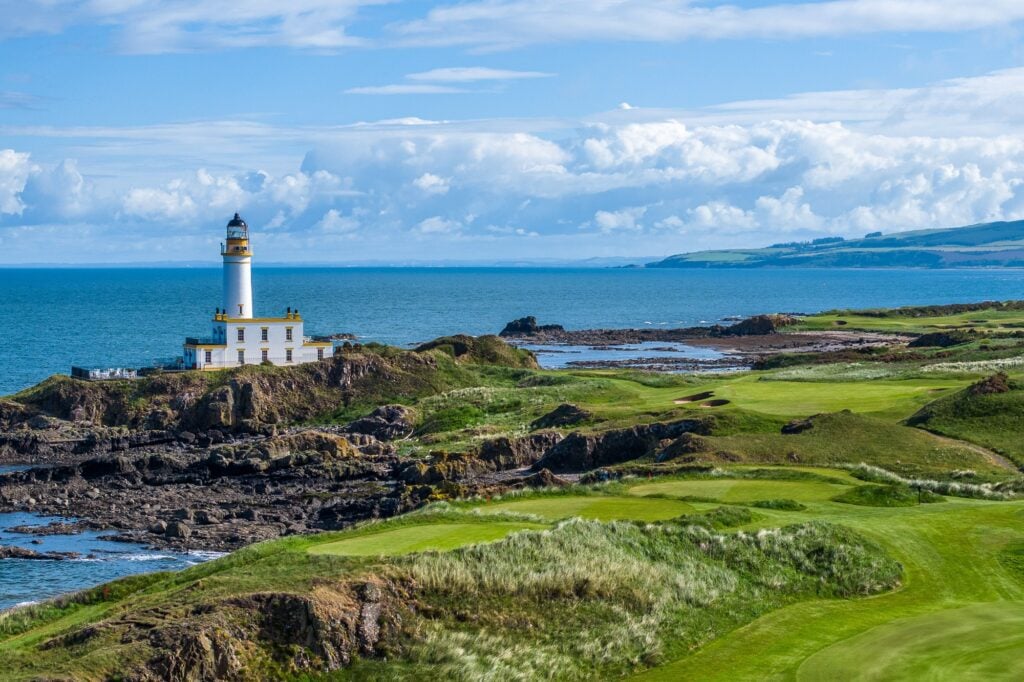
Why green fee price rises are so controversial
That feels shocking to a domestic audience which remembers a different set of numbers. You’ll easily find someone more than willing to tell you how they once played Turnberry for about £20.
The forces driving these ever-increasing prices have been building for years, though, and they merely accelerated when players were let off the leash after lockdowns finished.
Demand is now global and green fee prices may be set with a different player in mind. Are clubs picturing the UK golfer or are their eyes fixed firmly on an international audience?
This was exacerbated by currency. The dollar was initially strong against the pound as international travel reopened and that made golf on this side of the pond look attractive for the overseas visitor, even if we were screaming about the prices.
And at some of the most renowned venues right now, there are sold out signs going up and we’re already onto 2027 bookings. While it might enrage the GB&I crowd, failing to ‘cash in’ on that clamour looks a poor business decision.
Advertisement
But while there are clubs, particularly in Scotland and Ireland, that offer local or residential rates that bring down bills significantly, and winter, off-peak and twilight rates can also lessen the cost, there remains uproar.
Golfers feel excluded, priced out of an experience that was once accessible, and grieving for something that was previously ‘theirs’. Golf in the home nations has never been an exclusive, locked-behind-gates, pursuit.
These clubs were part of the sporting fabric, and part of their communities. But in the eyes of some, they’re starting to look like assets in a luxury leisure market.
Clubs charge these fees because they can. The market happily bears it and we’ve yet to find the limit.
Yet it’s also far too simplistic to merely write this off as just a cash grab.
In an interview with GBQ Digital, Gordon Simpson, then Gullane and now Swinley Forest General Manager, explained that increased visitor revenue was about futureproofing.
The East Lothian venue, whose championship No. 1 course is £325 on weekends this summer, ploughed money back into projects to improve the visitor and member experience.
Can we on the one hand demand immaculate golf course conditions, better practice facilities, and more comfortable clubhouses, while railing against the fees that undoubtedly help pay for them?
Whether we like to hear it or not, golf facilities cost much more to run than they did a decade ago. Membership fees, which can also be subsidised by strong visitor green fee performance, can only go so far.
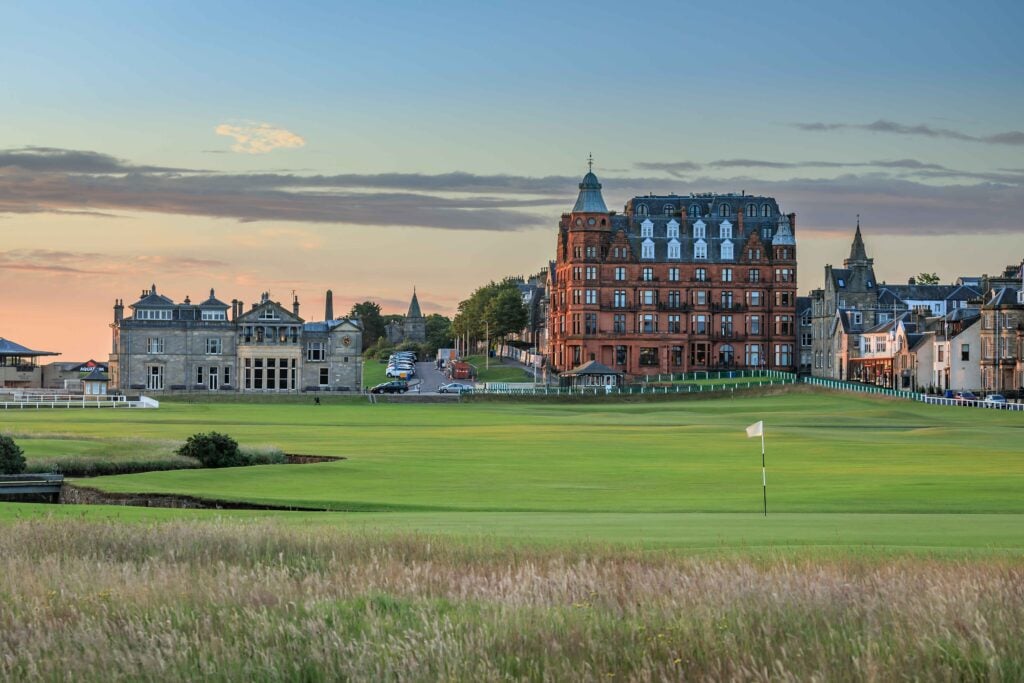
Verdict: What does the future hold for green fee pricing at GB&I’s top courses?
So onto the bigger question: is it sustainable? Covid crushed demand and then supercharged it. Could another global shock have the same impact, or would it be very different this time?
Advertisement
With international travel now the driving force in peak green fee pricing, clubs relying on overseas visitor income could find themselves feeling just like they did in the summer of 2020.
It wouldn’t even need to be a cataclysm like a pandemic to have a major impact. A stronger pound, or a weaker dollar, over the long term might dull the determination of US golfers. A recession, depleted travel budgets, or political pressures may soften demand.
And while you can flex a £200 green fee without unduly damaging your reputation, how do you walk back a £500 price point?
GB&I golfers are increasingly price sensitive. Many feel bruised they’ve been forced to stand aside for someone else’s summer escapade. Can they be relied upon to return if the dice rolls slightly differently?
Of course, there is no suggestion a market slowdown is imminent. While scarcity and global appetite remain strong, prices will continue to rise.
But if they keep climbing simply because they can, when does the model become fragile?
We have lived during an extraordinary period for our sport. It feared for its very future, locked into a vortex of stagnation and decline, before catching a fortuitous tailwind and being catapulted into a new golden age.
The next shock, and it will come, will test whether today’s peak-time prices were an opportunity too good to miss or a profiteering over-reach.
This article was edited to reflect the pounds vs dollar comparison since the Covid pandemic
- This piece also appears in the GCMA’s monthly Insights newsletter that is packed with expert opinion on matters relating to golf club management. Sign up to Insights for FREE here

Now have your say
What do you think of this green fee argument? Are prices going to continue to rise or are we due a contraction in the market? Are you prepared to pay some of the green fees advertised by clubs? What’s your limit? Let us know in the comments or get in touch on X.
Advertisement
Advertisement